Gloriously Empty: How Learning to Do Nothing Changed the Way I Travel Everything
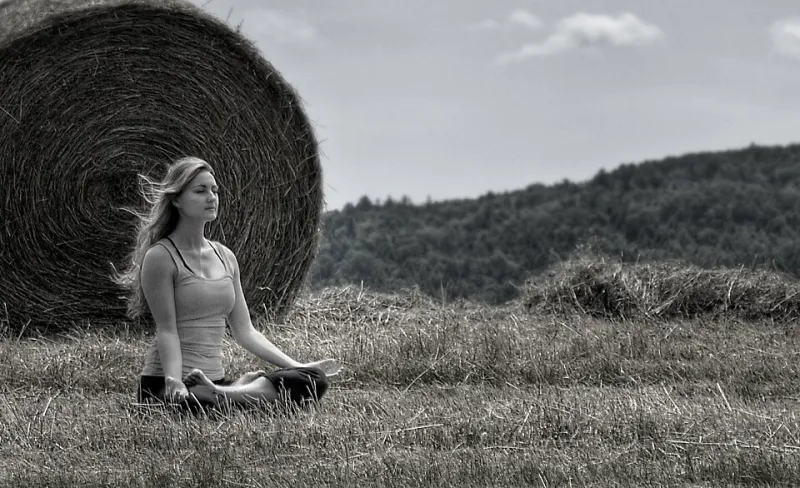
Photo: jhoc, CC BY 2.0, via Wikimedia Commons
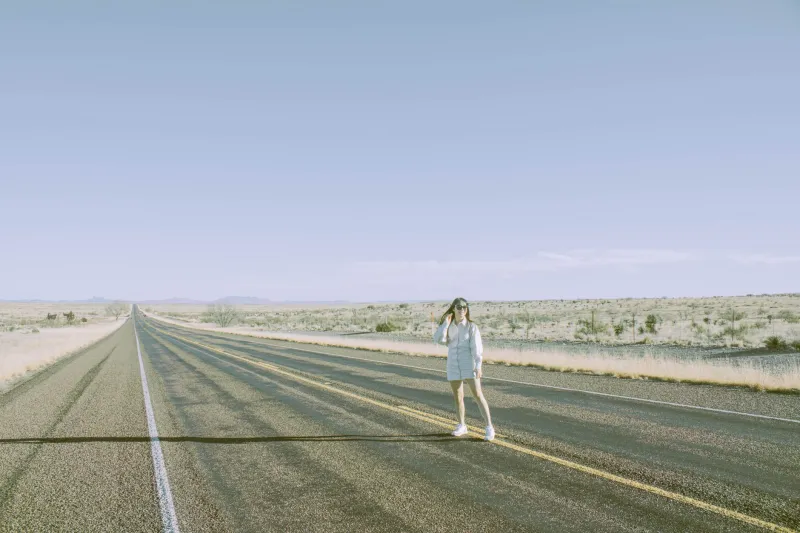
I was sitting in a plastic chair outside a gas station somewhere in the New Mexico desert, watching a dust devil spiral across the highway, when I realized I had no idea what time it was. My phone was dead. My agenda was nonexistent. I'd been on the road for three weeks, and for the first time in longer than I could remember, I wasn't trying to get anywhere.
It felt deeply uncomfortable. And then, about forty-five minutes later, it felt like the freest I'd ever been.
We talk a lot about adventure in this community — the places you go, the roads you take, the sunsets you catch. But there's a quieter, stranger kind of adventure that almost nobody puts on their itinerary. It doesn't have a hashtag. It doesn't photograph well. It is, in the most radical sense of the word, nothing.
And it might be the most transformative thing you ever do.
The Hustle Never Sleeps (But You Should)
American travel culture has a productivity problem. We've taken the same optimization mindset that runs our workweeks and applied it to our vacations, our road trips, our supposed escapes. The result is a strange kind of busyness-in-motion — rushing through national parks to hit every lookout, booking back-to-back experiences so there's no awkward downtime, filling every van-life reel with evidence that we are living, living, living.
But ancient wandering traditions — from the pilgrims who walked the Camino de Santiago to the Aboriginal Australians who traveled songlines across a continent — weren't built on efficiency. They were built on contemplation. The journey wasn't a vehicle for arriving at the destination. The journey, with all its empty hours and unplanned pauses, was the point.
Somewhere between the Industrial Revolution and the rise of influencer culture, we forgot that.
What Boredom Actually Is
Here's the thing nobody tells you: genuine boredom — not the anxious, phone-reaching kind, but the deep, settled kind — is incredibly hard to reach. It requires you to sit with discomfort long enough that your nervous system finally stops bracing for stimulation.
Psychologists sometimes call this the "boredom threshold," and for most of us raised on smartphones and 24-hour content cycles, it's buried under layers of noise. Getting to real boredom takes time. It takes resistance. And it often involves an ugly middle phase where you feel restless, irritable, and vaguely convinced you're wasting your life.
Push through that.
On the other side of that restlessness is something the Bohemian tradition has always known: stillness is not emptiness. It's a different kind of full. When you stop feeding your brain external input, it starts generating its own — strange, associative, deeply personal thoughts that would never surface during a packed itinerary. Creative breakthroughs. Emotional clarity. A sudden, inexplicable sense of belonging to wherever you happen to be sitting.
That gas station in New Mexico? I started noticing things. The way the light changed every few minutes. The rhythm of trucks passing. A roadrunner — an actual roadrunner — picking its way through the scrub. None of it was on any travel blog's list of "must-sees in New Mexico." All of it was extraordinary.
How to Practice Sacred Idleness on the Road
This isn't about being lazy. It's about being intentional with your emptiness — which, yes, sounds like a contradiction, but stick with me.
Build in unscheduled days. Not "free time" with a backup plan. Actually unscheduled days where you wake up with no obligations and let the day find its own shape. This is terrifying at first. Do it anyway.
Leave the bucket list in the glove compartment. The Grand Canyon will still be grand if you sit beside it for two hours instead of snapping a photo and driving to the next overlook. In fact, it will be considerably grander.
Let yourself be bored in public. Sit in a diner and don't read anything. Watch people. Eavesdrop shamelessly. Let your mind wander into its own weird corners. This is not wasted time. This is the oldest form of travel journalism there is.
Stop narrating your experience in real time. The moment you start composing a caption in your head, you've left the moment. Notice when you do it. Come back.
The Wanderer's Secret
There's a reason the most interesting people you meet on the road often seem unhurried. It's not that they have nowhere to be — it's that they've made peace with the space between places. They've learned that the gap between experiences is itself an experience, and often the richest one.
The bohemian spirit has never been about accumulating adventures. It's about being available to your life as it's actually happening, not as you planned it. It's about trusting that an afternoon with nothing in it is not an afternoon wasted — it's an afternoon that belongs entirely to you.
In a culture that monetizes attention and gamifies productivity, choosing to sit still and let time pass without optimizing it is, genuinely, a radical act. It's a refusal. And like all the best refusals, it opens something up.
I drove out of that New Mexico gas station as the sun was going low, the sky doing the thing it does out there — that impossible, burnt-orange thing. I didn't know exactly where I was going. I wasn't trying to arrive anywhere by dark.
I was just moving through the world, wide open, with nothing on my schedule and nowhere particular to be.
It was, without question, the best day of the trip.
And I almost missed it trying to plan the next one.