Roots on the Road: How Wanderers Are Growing Gardens Absolutely Everywhere
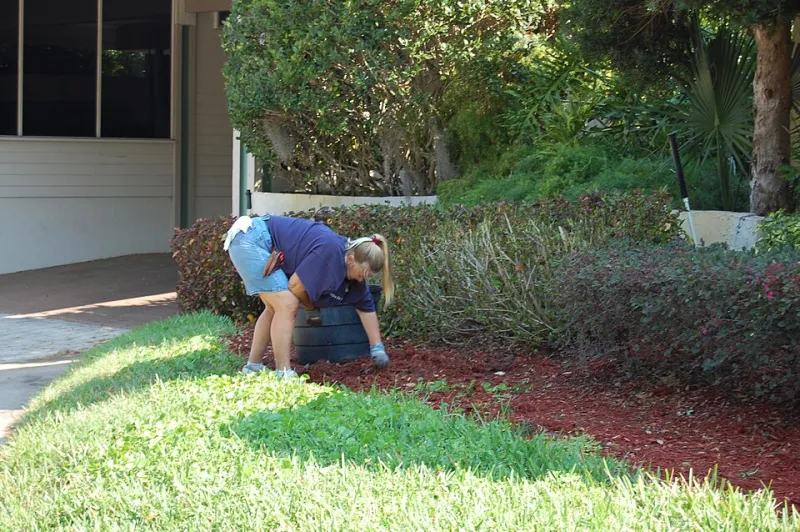
Photo: VisitCentralFL, CC BY 2.0, via Wikimedia Commons
Dirt Under Your Fingernails, Wind at Your Back
There's something almost rebellious about planting a seed when you're not sure where you'll be in a month. The wandering life is built on lightness — less stuff, fewer anchors, maximum freedom. And yet, a quietly radical movement is taking root (literally) among nomads, van dwellers, and bohemian travelers across the US: people who carry soil with them, who tend to living things from the back of a school bus, who build community gardens in empty lots they'll leave behind by spring.
Growing food on the road isn't just a quirky hobby. For a lot of people, it's become a spiritual practice — a way of slowing down enough to remember that you're part of something that doesn't move at WiFi speed. Here's how some of the most creative wanderers out there are doing it.
1. The Rooftop Herb Garden (Yes, on a Moving Vehicle)
If you've spent any time in the van life community, you've probably seen at least one rig rolling down the highway with plants strapped to the roof. It sounds impractical — and sure, you're not going to grow tomatoes at 70 mph — but a rooftop herb setup is more doable than you'd think.
The trick is keeping it lightweight and low-profile. Think shallow wooden crates lined with landscape fabric, secured with bungee cords or mounted on a roof rack with removable hardware. Herbs like rosemary, thyme, mint, and chives are the MVPs here — drought-tolerant, compact, and genuinely useful when you're cooking over a camp stove in the middle of nowhere.
Jordan, who's been living in a converted school bus in the Pacific Northwest for two years, grows basil and oregano in recycled tin cans mounted to the exterior of his bus. "People wave at me on the highway," he says. "It's a conversation starter everywhere I park."
Bonus: fresh herbs make even the most basic camp meals feel like something special.
2. The Five-Gallon Bucket Garden
This is the workhorse of nomadic gardening, and for good reason. Five-gallon buckets are cheap, stackable, durable, and surprisingly versatile. You can grow cherry tomatoes, peppers, lettuce, kale, and even small root vegetables in them. Drill drainage holes in the bottom, add a quality potting mix (not garden soil — it compacts too much), and you're in business.
The beauty of the bucket system is that it scales with your situation. Parked for a month in one spot? Line up a dozen buckets outside your rig and go full kitchen garden. Heading out tomorrow? Stack them, strap them down, and take your garden with you.
For nomads who winter in the Southwest — think Quartzsite, Arizona, where hundreds of van dwellers gather every January — the bucket garden is almost a rite of passage. Community setups pop up in the desert, with neighbors trading seeds, cuttings, and growing tips. It's a little village, built on dirt and goodwill.
3. Pop-Up Community Gardens in Temporary Spaces
Some of the most beautiful gardens the nomadic community has built are the ones they left behind.
In cities like Portland, Denver, and Austin, travelers and van dwellers have partnered with local organizations to transform vacant lots and underused urban spaces into temporary community gardens. They show up, they plant, they tend, and when it's time to move on, they leave the garden — and the knowledge — for whoever comes next.
These projects often connect with mutual aid networks, food banks, and neighborhood groups, turning what could be a purely personal practice into something genuinely communal. The food feeds real people. The space becomes a gathering point. And the wanderers who built it carry something forward too — a sense of purpose, of having added something to a place rather than just passing through it.
"I used to feel guilty about not staying anywhere long enough to matter," says Priya, a full-time traveler and herbalist who's helped start three community garden projects in two years. "Growing food changed that. You can matter to a place in a season."
4. Vertical Planters and Wall Gardens for Tiny Spaces
Space is the eternal constraint in van life and bus life. Vertical gardening is the answer. Fabric pocket planters, repurposed shoe organizers hung on interior walls, and custom-built wooden shelving units with built-in planter boxes can transform a small wall section into a living, growing space.
Indoor-friendly plants like microgreens, sprouts, and small herbs thrive in these setups. Add a small grow light if you're in a low-light situation, and you've got a year-round indoor garden that moves with you.
Microgreens in particular are a game-changer for road-based nutrition. They grow in ten to fourteen days, require minimal space, and pack a serious nutritional punch. Sunflower, radish, and pea shoots are beginner-friendly and delicious on everything from tacos to grain bowls.
5. Seed Swaps: The Currency of the Nomadic Garden Community
If there's one cultural ritual that ties nomadic gardeners together, it's the seed swap. At gatherings like Rainbow Family events, van life meetups, and intentional community festivals across the country, seeds change hands constantly — heirloom tomatoes from a grandmother's garden in New Mexico, rare pepper varieties from a small farm in Appalachia, wildflower mixes collected from the sides of roads.
Seeds are light, they're free, and they carry stories. Swapping them is an act of trust and connection — you're handing someone the potential for life and asking them to carry it somewhere new.
Start your own seed collection. Keep them in small paper envelopes in a cool, dry spot in your rig. Label them with where you got them and who gave them to you. Over time, you'll have a little archive of everywhere you've been and everyone you've met.
Growing Something Bigger Than Vegetables
At the end of the day, the nomadic garden isn't really about the food — or at least, it's not only about the food. It's about the act of tending. Of committing to something small and living and requiring care. In a lifestyle that prizes impermanence, growing a garden is a quiet declaration: I was here. I paid attention. I gave something back.
The wandering spirit doesn't have to mean rootlessness. Sometimes the most radical thing you can do is plant something, watch it grow, and then move on — knowing the roots will hold without you.