A Folding Altar and a Chipped Mug: The Portable Rituals That Keep a Wandering Life Whole
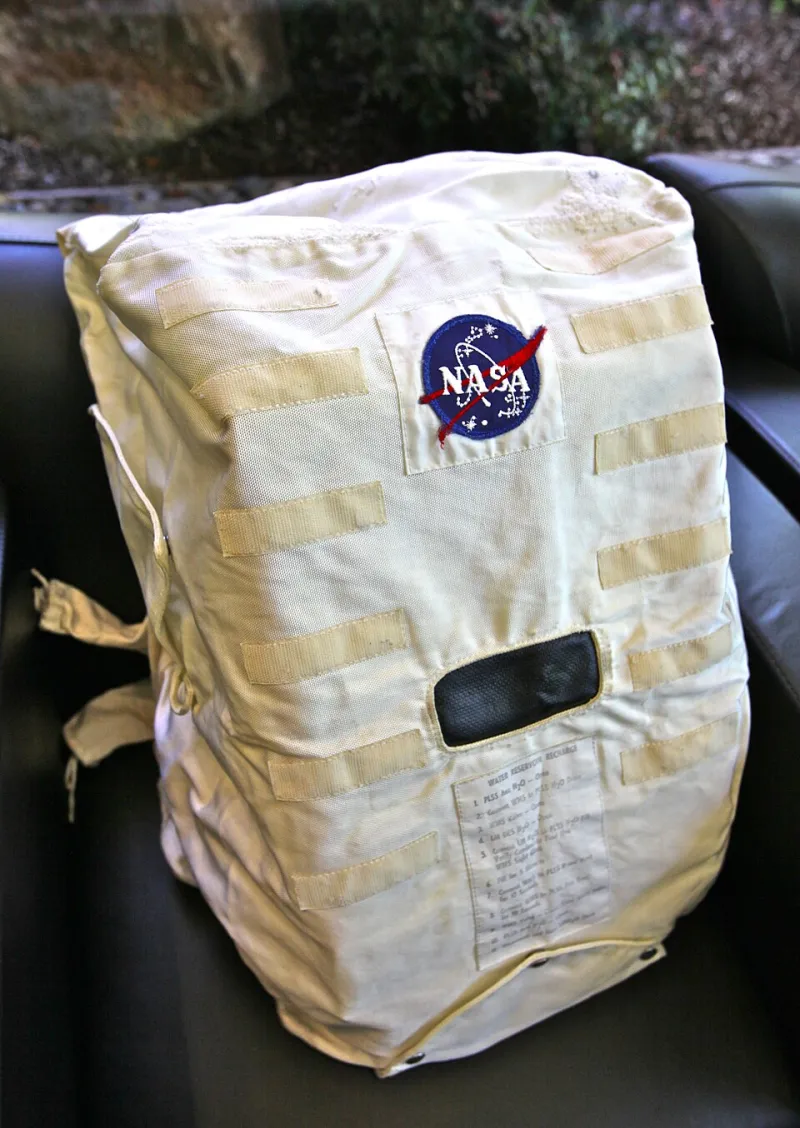
Photo: jurvetson, CC BY 2.0, via Wikimedia Commons
I have a tea set that takes up more space than it should. It is a small enamel pot, two cups, and a tin of loose leaf that has seen better days. In a van, space is currency. I have argued with myself about the tea set more than once. It is not practical. It is not multifunctional. It is not the kind of thing you would pack if you were building a life around efficiency. And yet it is the first thing I unpack in every new place.
The ritual is simple. Boil water. Warm the pot. Measure the leaves. Wait. Pour. Sit. It takes ten minutes. It does not solve anything. It does not make me money or grow my audience or improve my posture. It just tells my body that the day has started, and that I am still here, and that the small square of world I am borrowing for the night is temporarily mine.
The Tea Set That Ate Half a Shelf
I bought the tea set at a thrift store in a town I cannot remember. It was cheap. One cup has a chip on the rim. The pot has a dent that I have decided to call character. For a while, I carried it in a canvas bag, wrapped in a dish towel, and every time I hit a pothole I could hear it rattle and thought: this is ridiculous. Now I carry it in a small wooden crate with a piece of foam. I have made peace with the space it takes.
The tea set is not about tea, really. It is about the pause. When I am moving every few days, the morning can dissolve into a blur of packing and driving and finding a place to park. The tea ritual puts a frame around the beginning of the day. It says: before you go anywhere, be here. Even if here is a rest stop outside Flagstaff. Even if here is a friend's driveway. Even if here is a patch of gravel behind a bar.
Build a Folding Altar
My friend June carries a folding altar in a cigar box. It is not religious in any traditional sense. It is a piece of dark blue cloth, a small candle, a smooth stone from a river in Oregon, a photo of her grandmother, and a tiny brass bell. She unfolds the cloth on the dashboard or a picnic table or the floor of her van, arranges the objects, and sits for five minutes. Then she folds it all back up and drives on.
I copied her. My altar is a battered tin tray. On it, I put a candle, a small ceramic bowl, a feather I found on a beach, and whatever flower or leaf is in season. The tray lives in the same crate as the tea set. When I am parked somewhere safe, I set it out. When I am not, I set it on the passenger seat. The point is not the objects. The point is the arrangement. The point is the moment of attention.
You do not need to be religious to need an altar. You need a place to put your grief, your gratitude, your questions. On the road, those things can pile up. A ritual gives you a place to set them down.
The Chipped Mug Doctrine
There is a mug in my life that I would rescue from a burning van. It is heavy, off-white, and chipped in three places. It holds exactly the right amount of coffee. It fits my hand. I have drunk tea from it, soup from it, and once, desperately, a margarita from it. It is not valuable. It is irreplaceable.
The chipped mug is a reminder that home is not about perfection. It is about familiarity. A nomad's life is full of new things: new roads, new views, new grocery stores, new people. The nervous system does not love novelty as much as the Instagram version of us claims. It loves predictability. It loves the weight of a familiar mug. It loves the sound of a kettle. It loves the same small prayer before bed.
Why Small Consistencies Matter on the Road
I am not a doctor, and I am not going to pretend that a tea set is a cure for anything. But I have learned that the road can wear you down in quiet ways. Sleep gets weird. Meals get skipped. The line between work and rest gets blurry. You are always in transition. Even the good transitions are transitions.
Small rituals are anchors. They tell your body that it is safe to rest. They create a threshold between one part of the day and the next. They give you a way to mark time that is not a calendar or a clock. A morning tea ceremony, an evening candle, a few minutes of stretching, a journal page, a song you play every time you cross a state line. These are not superstitions. They are nervous-system care.
They are also a form of self-respect. When you are living on the road, it is easy to treat yourself like a passenger in your own life. The ritual says: I am worth the ten minutes. I am worth the clean cup. I am worth a small, stubborn beauty.
Packing Your Own Ritual Kit
Your ritual kit does not need to be elaborate. It needs to be small enough to carry and meaningful enough to use. Start with a vessel: a mug, a cup, a small teapot. Add a cloth or tray to define the space. Bring a candle or a battery-powered light if fire is not safe. Choose one small object that reminds you of who you are when you are not traveling. Add a journal and a pen. Maybe a scent that makes you feel calm. Maybe a bell or a playlist you only use for this.
Keep it under a shoebox if you can. Use it every day. If you skip a day, do not make it a moral failure. The ritual is a practice, not a performance. Let it change as you change. The tea set I carry now is not the same one I started with. The mug is not the same either. But the gesture is: stop, make something warm, sit down, pay attention.
Home is a verb. It is not a building or a lease or a zip code. It is the thing you do over and over until your body believes it. Pack the tea set. Fold the altar. Wrap the chipped mug in a sock. The road is long, but you can carry a small piece of home with you.